


Why Choose Us?
Because we have built extremely sophisticated projects in the past, technically more complex than perhaps what your company requires.
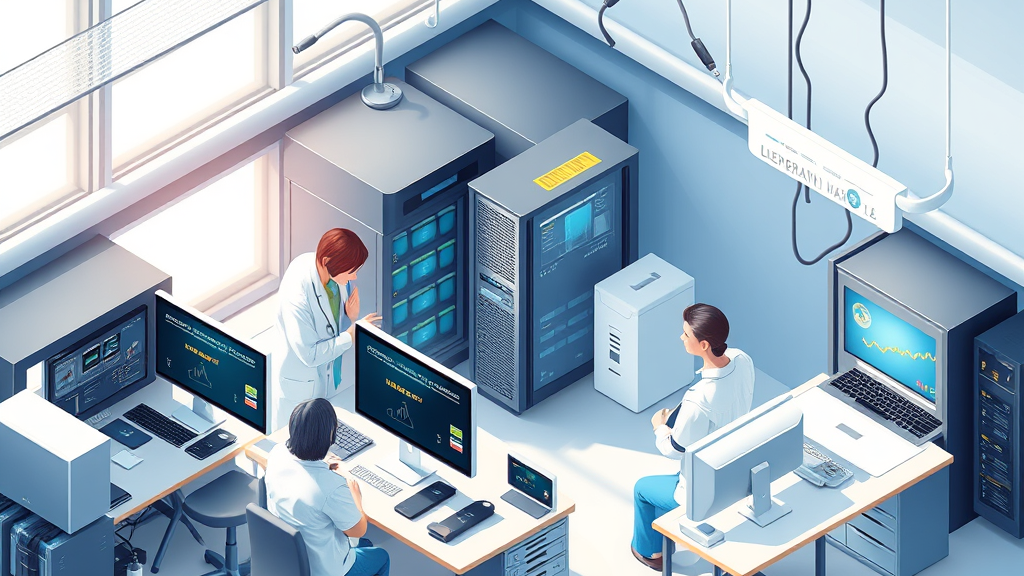
HIS / LIS / RIS / PACS Software Systems for Hospitals.
Our company has been involved with government software procurement businesses in China, which include building, updating and maintaining HIS (Hospital Information System), LIS (Laboratory Information System), RIS (Radiology Information System) and PACS (Picture Archiving and Communication System) software systems for hospitals in various provinces of China.
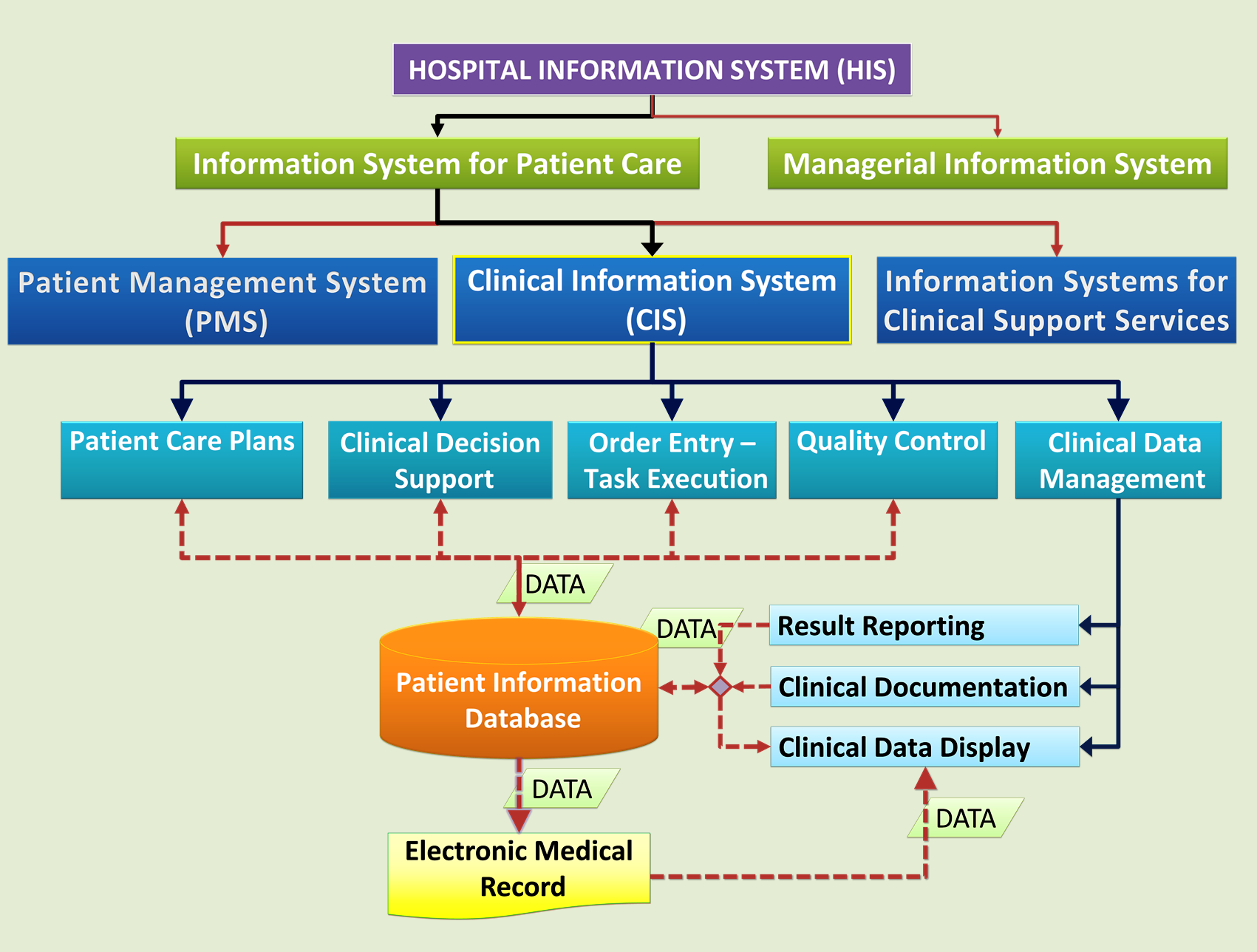
HIS (Hospital Information System)
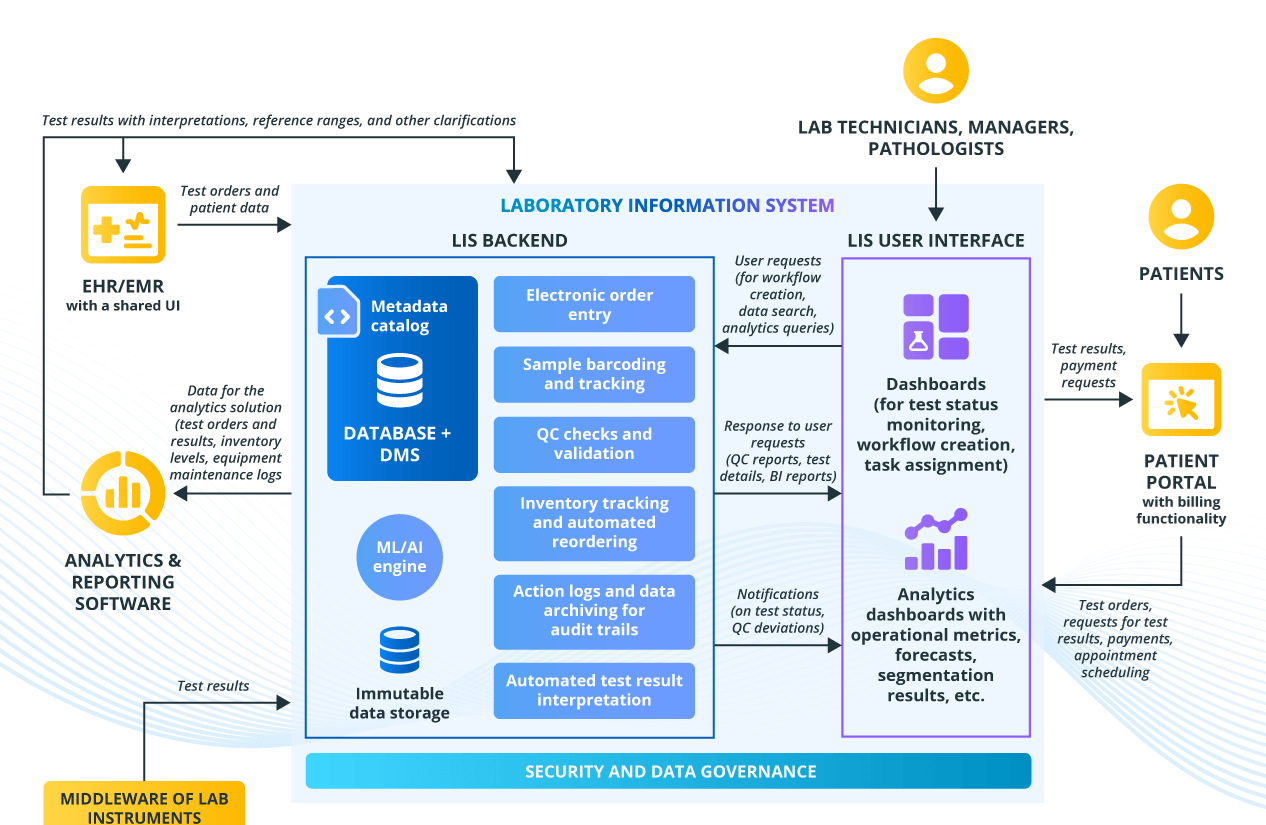
LIS (Laboratory Information System) for Hospitals
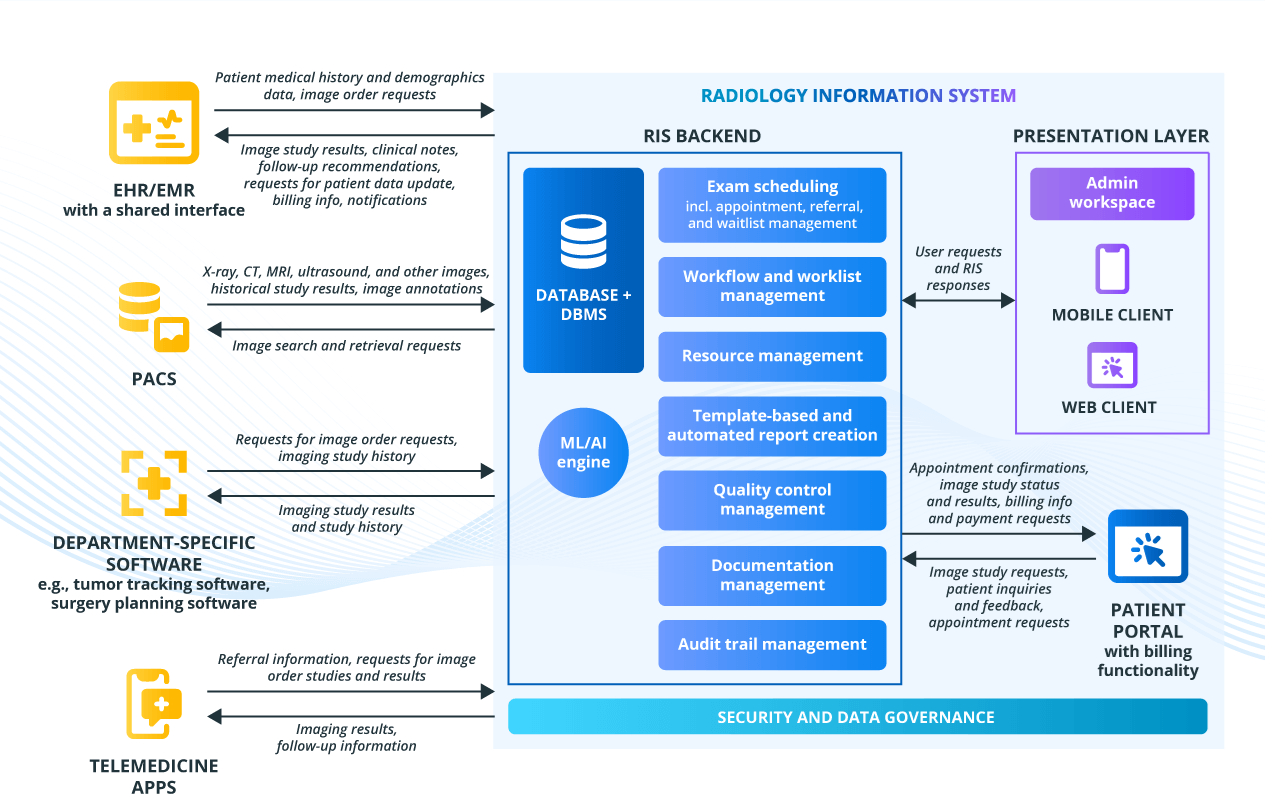
RIS (Radiology Information System) for Hospitals
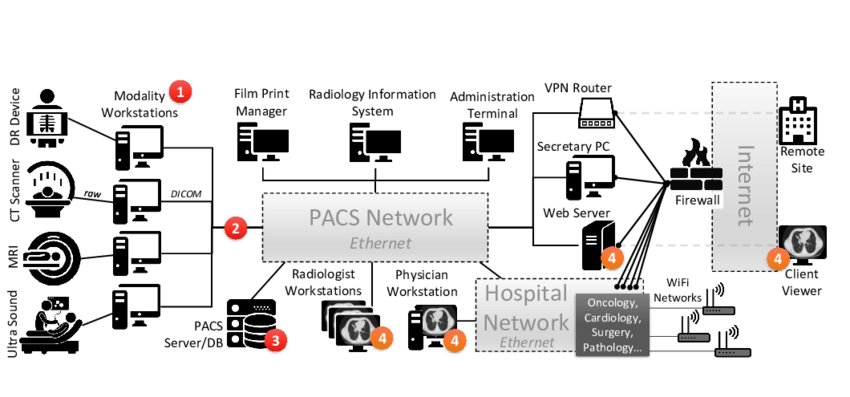
PACS (Picture Archiving and Communication System) for Hospitals
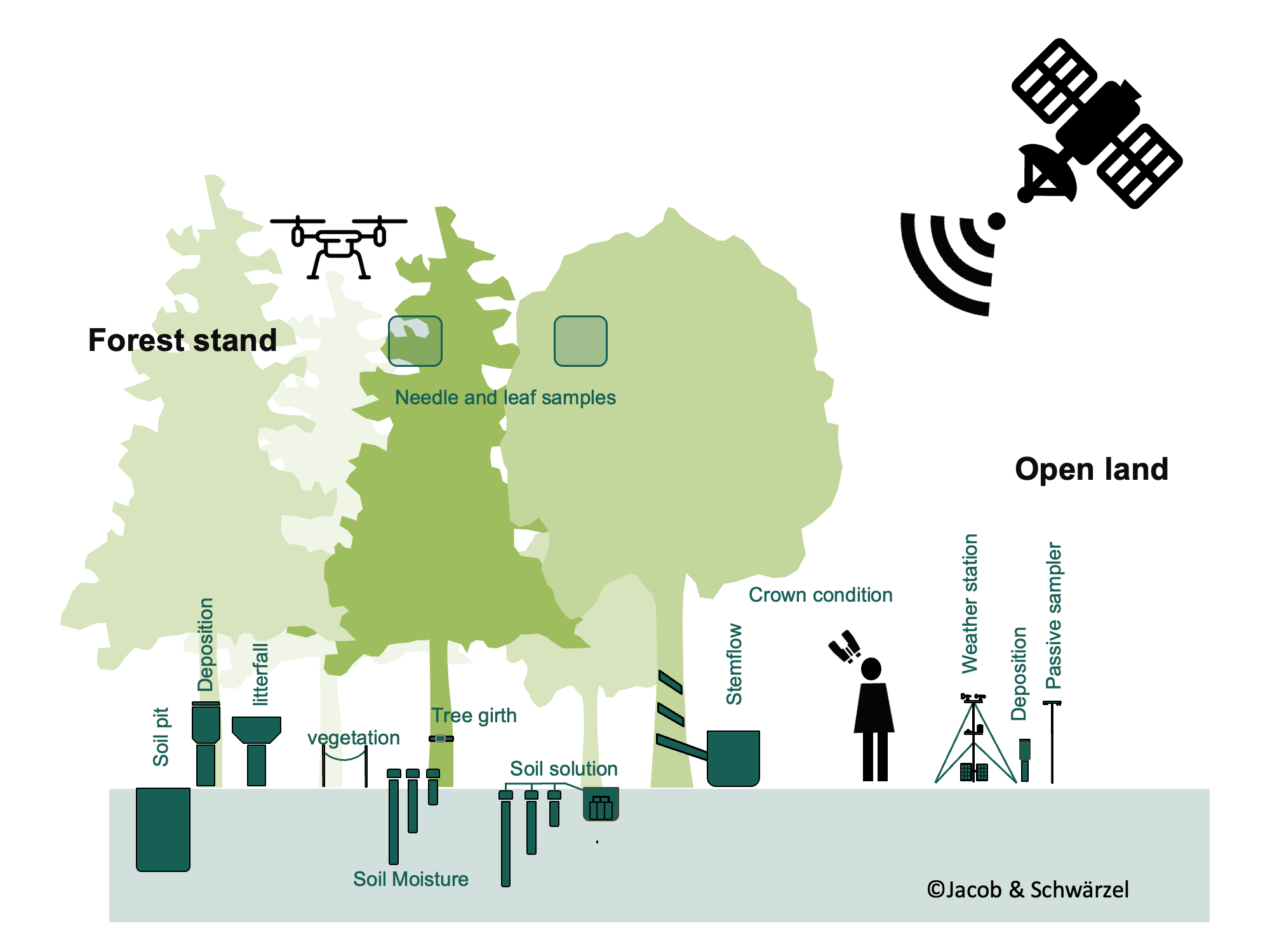
FRMP (Forestry Resource Monitoring Platforms)
We were also involved with building several Forestry Resource Monitoring Platforms (FRMP) for the Municipal Bureau of Forestry for various provinces in China.

BIM (Building Information Modeling) + GIS (Geographic Information System) Software Systems
Apart from those, we were also involved with updating and maintaining the BIM (Building Information Modeling) + GIS (Geographic Information System) software systems for Qingdao Municipal Bureau of Housing and Urban-Rural Development in Shandong Province, China.
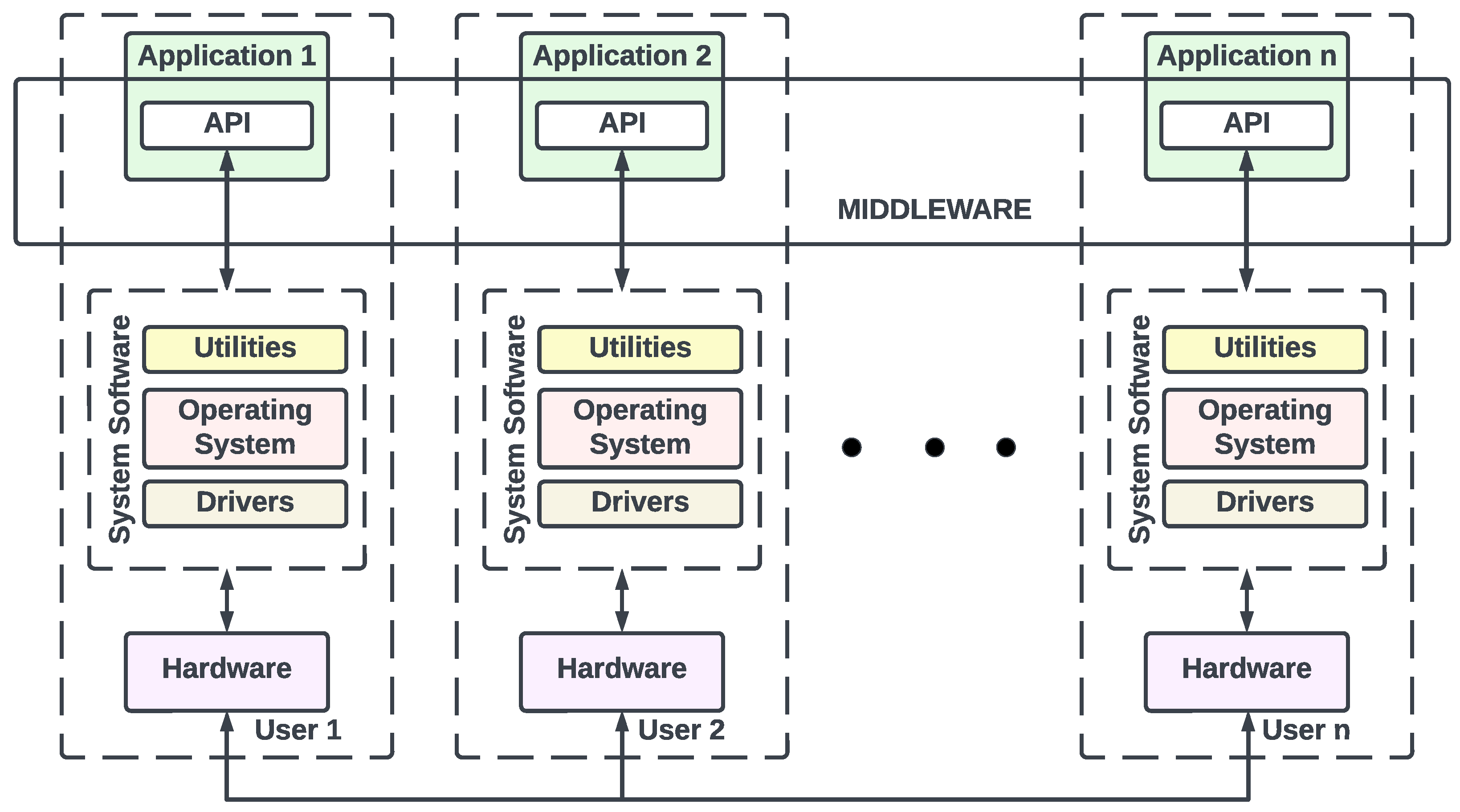
XinChuang Transformation
Apart from those, our company has done a lot of work in the so-called XinChuang Transformation – the nationwide initiative to replace foreign IT components with indigenous alternatives.
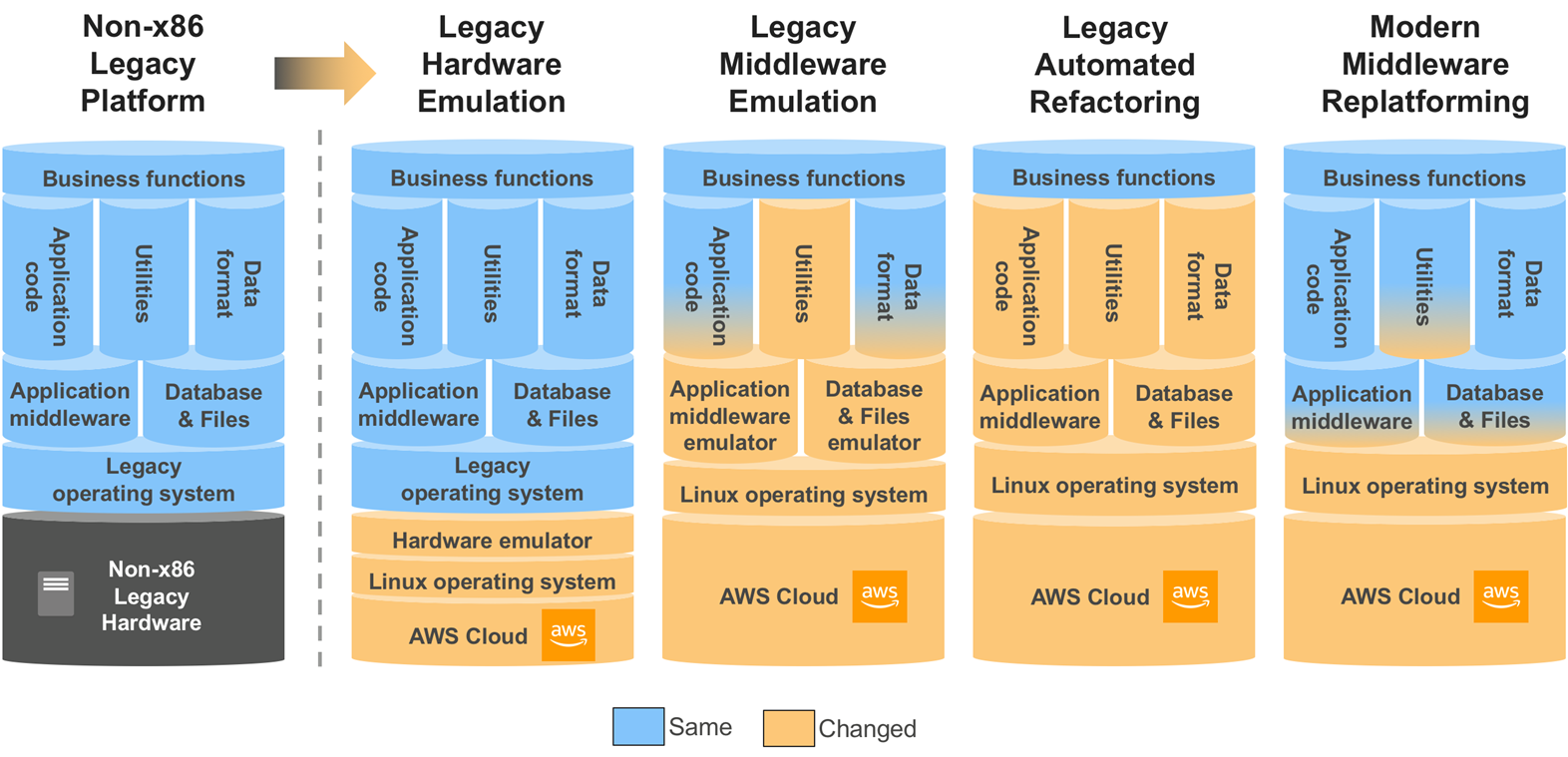
XinChuang Transformation - 1. the Operating System Adaptation
First and foremost, the Operating System Adaptation, meaning replacing Windows/Linux/Android with domestic Chinese operating systems such as KylinOS, openEuler, or HarmonyOS for mobile & IoT. The core technologies include building cross-platform application frameworks such as Qt for C++, Electron for desktop, ArkUI for HarmonyOS; they also include building compatibility layers such as Wine, CrossOver, or lightweight API-translation engines for legacy Windows executables; they include building system-level driver and dependency recompilation for ARM and LoongArch architectures.
XinChuang Transformation - 2. Database Migration
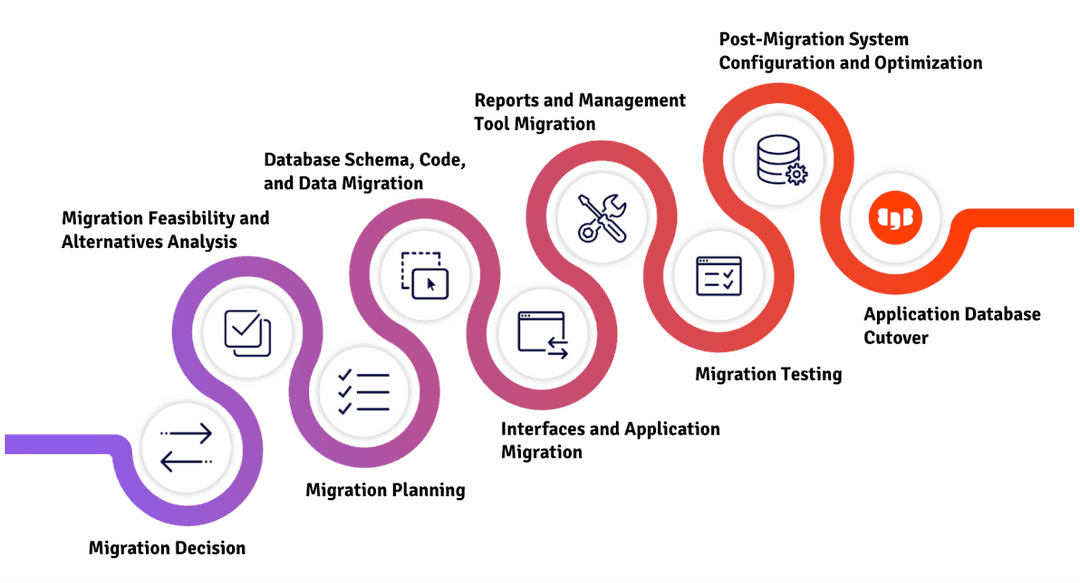
Second, Database Migration, which means to replace Oracle, SQL Server and IBM DB2 with Chinese Dameng Database, KingbaseES Database, and Huawei’s GaussDB. The core technologies include building SQL dialect conversion and PL/SQL-to-PL/pgSQL rewriting engines. They also include automated migration assessment and data synchronization tools, and performance baseline establishment and comparative query tuning as well.
XinChuang Transformation - 3. Middleware Replacement
Third, Middleware Replacement, which is replacing WebLogic, IIS, and ActiveMQ with Chinese domestic Java EE
servers like TongWeb, Apusic AS and BES. It requires standardization of J2EE deployment descriptors and JNDI/Datasource configurations, replacement of vendor-specific proprietary APIs and configuration management paradigm, and cluster setup and high-availability strategies adapted for the new middleware as well.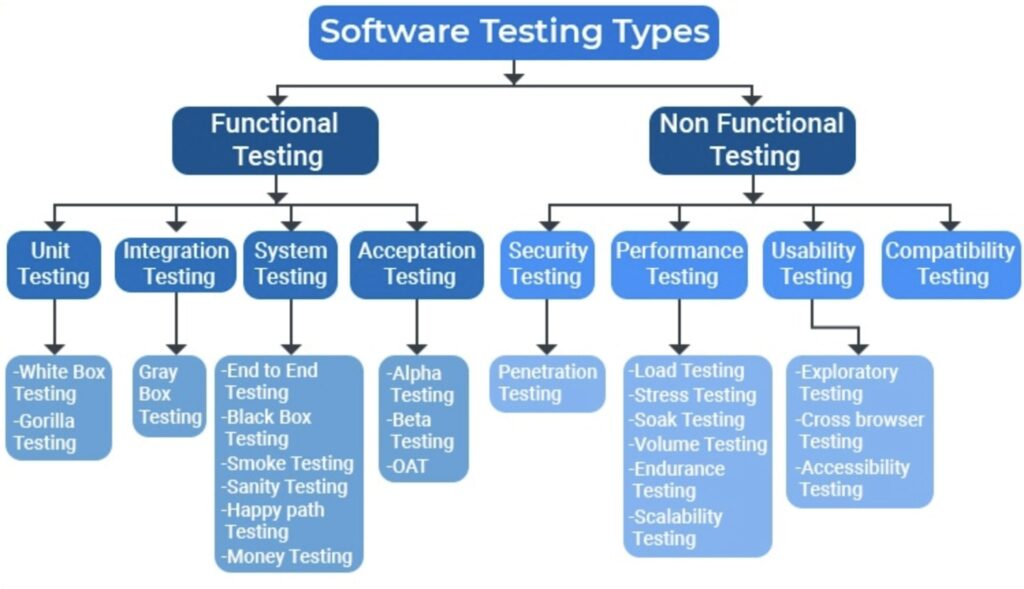
XinChuang Transformation - 4. Application Adaptation & Testing
Last but not least, Application Adaptation &Testing. It requires cross-platform engineering – recompilation of C/C++ code on Linux/GCC and replacing native libraries (.dll/.so) in Java/Python applications. It also requires test automation, meaning compatibility test suites, long-duration stability testing, and performance regression testing frameworks to validate reliability across the new heterogeneous stack.
 京公网安备11010502058739号